Commence on: 1st November, 2024
Joined
PEST DETECTION IN COFFEE PLANT
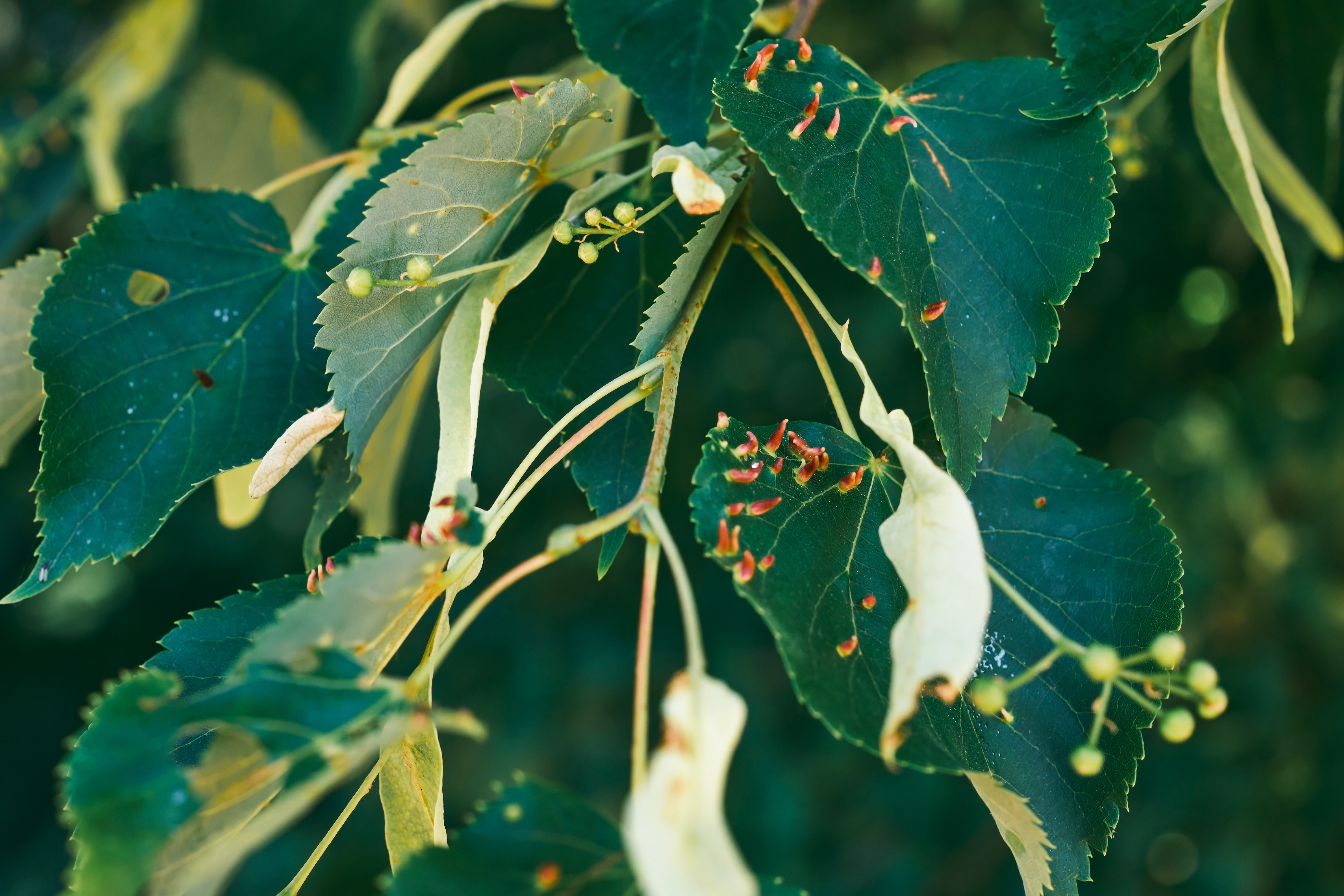
Wayanad, located in the southern state of Kerala, India, is renowned for its lush coffee plantations, making it one of the prominent coffee-producing regions in the country. However, like many coffee-growing regions worldwide, Wayanad is not immune to the challenges posed by coffee pests. Coffee pests can have a significant impact on coffee production, affecting both the quantity and quality of the coffee beans. Common coffee pests in Wayanad include the coffee berry borer (Hypothenemus hampei) and various fungal diseases. The coffee berry borer is a tiny beetle that infests coffee cherries, leading to reduced yields and lower-quality coffee. Fungal diseases, such as coffee leaf rust (Hemileia vastatrix), can also devastate coffee crops if left unchecked.
Challenge:
In Wayanad, a prominent coffee-growing region in India, coffee production faces challenges from various pests. Some of the common pests affecting coffee production in Wayanad include Coffee Berry Borer, Antestia Bug, Broca Beetle, Mealybugs, Aphids, Leafhoppers, etc. These pests can have a significant impact on coffee yields and quality if not effectively managed.
We Propose:
A Coffee Plant Pest Detection Application that will identify the type of pest affecting the crop by analyzing images of the affected plants. Furthermore, the application will provide crucial insights such as the potential damage level caused by the pest and recommended courses of action, including pesticide selection, avoidance of harmful pesticides, and disease prevention measures.
Our Roadmap:
Kick-off Meeting
Discuss project objectives and assign tasks to team members
Data Collection
Gather essential data to train our AI model
Data Analysis
Process and prepare the data for model development
Software Implementation
Construct the Coffee Plant Pest Detection Application
Reinforcement and Testing
Rigorously test the software to ensure accuracy and effectiveness
Team Members Needed: 20
By embarking on this endeavour, we aim to empower Wayanad’s coffee farmers with a powerful tool to combat pest-related challenges and secure their crops' health and productivity for a prosperous agricultural future.
Click to apply